



Furniture transportation, especially for international shipping, requires careful handling across packaging, protection, handling, and compliance to ensure safe delivery. Proper packaging should be selected based on furniture materials, with wooden furniture protected against scratches and impacts, and fragile components such as glass individually reinforced. For long-distance transport, fumigated wooden crates and moisture-resistant materials are recommended to minimize damage caused by humidity and environmental changes
In addition, large or non-detachable furniture should be evaluated in advance for size and access limitations to ensure smooth loading, unloading, and final delivery, often requiring special equipment such as forklifts or lifting devices. During container loading, items should be properly secured to avoid movement, compression, or deformation. Clear labeling and a detailed packing list are also essential for customs clearance and inspection. Finally, it is strongly recommended to purchase cargo insurance to reduce financial risk from potential damage or loss during transit

furniture international shipping
DJCargo often reiterates the importance of furniture transportation precautions. Many people may think that transportation is just transportation and cannot involve major issues—but that assumption is far from correct. There are many hidden complexities involved. You must not only consider the characteristics of the furniture itself and the packaging of the goods, but also pay close attention to various handling details during transportation. Even the final delivery process cannot be overlooked.
Therefore, in the following section, DJCargo will outline the key precautions for furniture transportation in detail, covering aspects such as furniture materials, shape and size, packaging requirements, loading and unloading procedures, transportation handling, and delivery requirements, providing a comprehensive and structured overview.
1. Furniture material selection
2. Furniture packaging requirements
3. Loading, transportation and delivery issues
4. Cargo transportation insurance issues
1. Furniture material selection
Furniture comes in a wide variety of materials. Finished goods can be made from all kinds of materials that show no visible features on the surface, yet these materials dictate the furniture’s quality, lifespan, and durability in different environments. Many furnitures look premium and high-end on the outside, but their interiors are actually built with low-grade materials, with the exterior simply wrapped in wood-grain paper—making it impossible to tell what it’s really made of without sawing it open. It perfectly embodies the old saying, “马屎表面光,内部一包糠” Once you buy this kind of product, it breaks in no time, leaving you heartbroken and feeling cheated. Generally speaking, you get what you pay for. Don’t just chase after the cheapest option. Make sure to ask about the exact materials before buying, and if you find that the product doesn’t match what you purchased upon arrival, be sure to demand compensation from the seller.
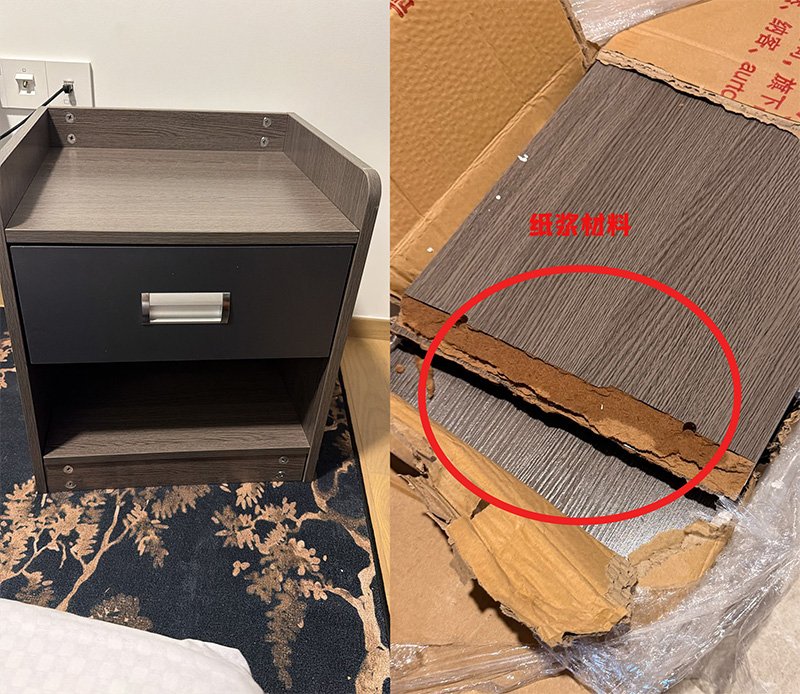
The furniture displayed on e-commerce platforms often looks attractive and inexpensive, but in reality, you have no way of knowing what materials it is actually made of
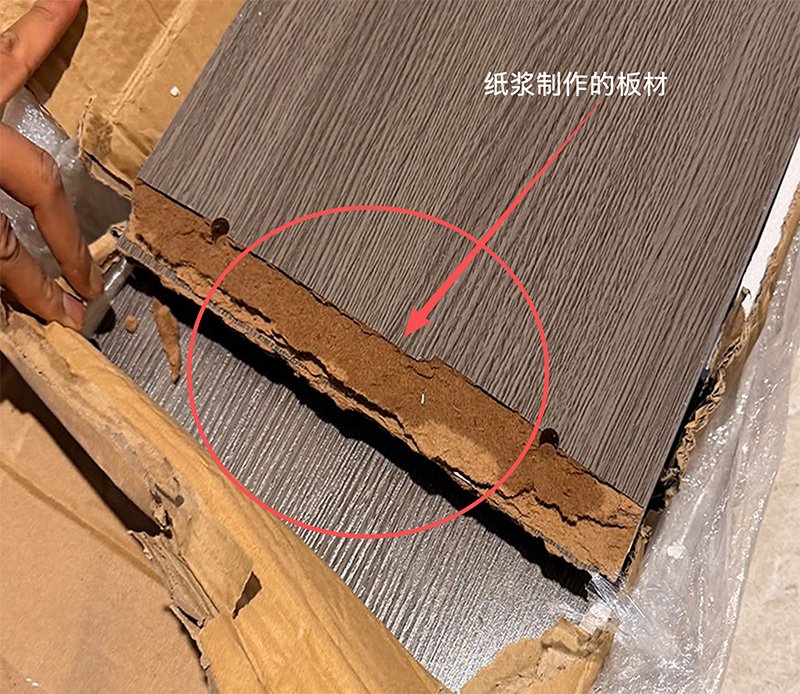
Furniture made from low-quality engineered boards is often produced by compressing wood chips and paper pulp. These types of boards are poor in quality, not structurally strong, and may contain formaldehyde-based adhesives, which are harmful to human health. As a result, they are not safe for use, especially in bedrooms.
Furnitures for international shipping is generally designed to be disassembled and reassembled, which significantly reduces transportation costs. Items such as cabinets, tables, and beds are typically manufactured in a knock-down (flat-pack) structure rather than as fully assembled products. This is because shipping fully assembled furniture results in larger volume, higher costs, and increased risk during transportation.
Therefore, most furniture is shipped in separate components such as panels, glass parts, screws, and other hardware fittings packed together.
For this type of furniture, material selection is very important. Common panel materials include: 1. Solid wood particle board (chipboard) 2. Solid wood multi-layer board (plywood) 3. Solid wood board 4. OSB (oriented strand board), etc.
Lower-quality materials include particle board, paper pulp board, plywood, three-ply boards, and five-ply boards. These are mainly used in construction sites and non-furniture applications. However, some low-end manufacturers use these materials in furniture production to maximize profit. Therefore, very cheap furniture seen online may be made from such materials. These products generally have a short lifespan, require controlled usage environments, and may not be environmentally friendly for long-term human contact.
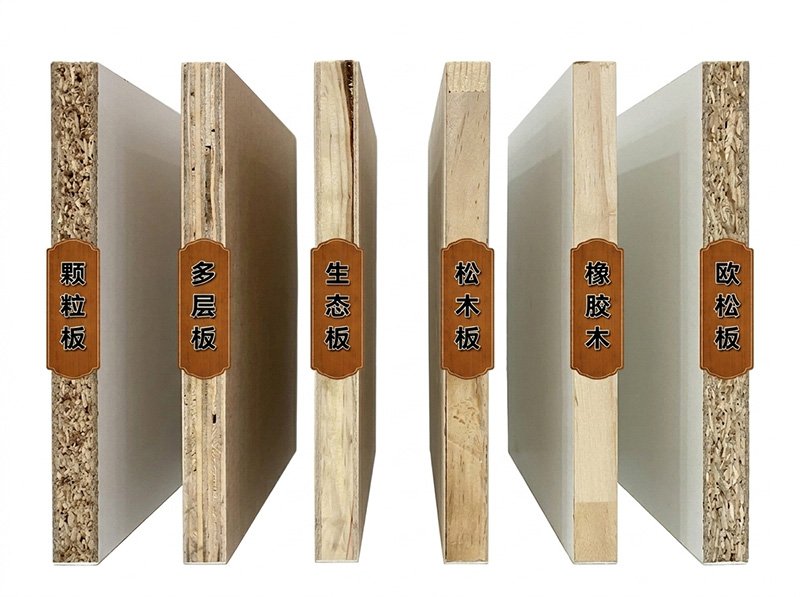
Solid wood particle board, solid wood multi-layer board (plywood), solid wood boards, and OSB (oriented strand board) are all materials that meet the requirements for furniture manufacturing. Only those that comply with formaldehyde emission standards, have adequate material hardness, and meet environmental usage requirements are suitable for use in furniture production.
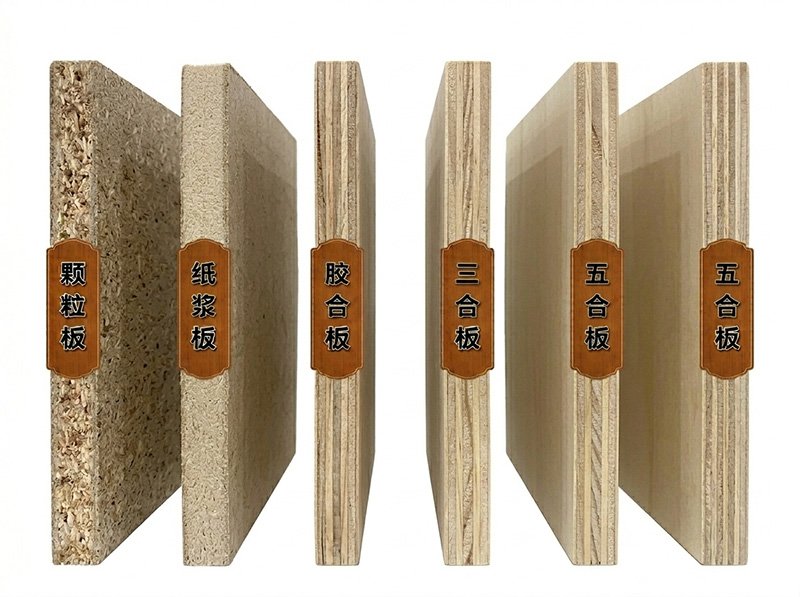
Construction material boards and transportation packaging materials mostly use particle board, plywood, three-ply boards, and paper pulp boards, which are commonly used for packaging purposes. Different thicknesses of these materials are applied in different scenarios. In general, three-ply and five-ply boards used in construction applications tend to have higher formaldehyde content compared to materials used for furniture manufacturing
Many manufacturers use those low-quality boards for furniture production in ways that are not easily visible to consumers. The most obvious indicator is price: low-priced products are usually not made from right-quality materials, while good materials are rarely cheap. Therefore, when selecting products, it is important to ask the seller about the raw materials used, confirm what the furniture is made of, check whether there are material inspection certificates, and verify whether the product description matches the actual material.
Particle board is usually made by crushing and compressing wood offcuts and sawdust. There are different grades, including high-density particle board and coarse particle board, and their performance varies depending on usage conditions and environment.
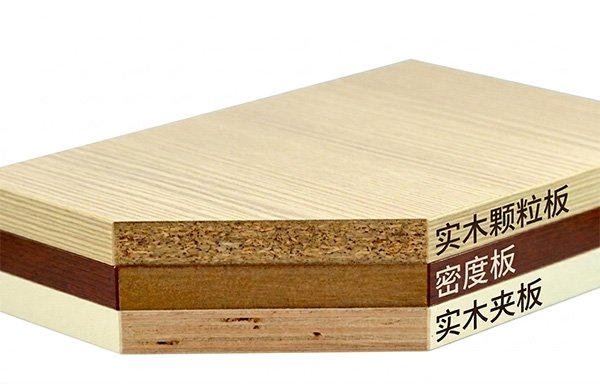
Solid wood particle board, Medium-density fiberboard, Solid wood plywood / laminated board
1. Solid wood particle board is often used for low-end furniture or wardrobe doors, depending on the quality of the board and the type of wood used. It is also commonly applied in construction and packaging materials on job sites. <br>
2. Medium-density fiberboard (MDF) is also widely used in the production of low- to mid-range furniture, but its performance is easily affected by environmental temperature and humidity.<br>
3. Solid wood plywood has higher strength compared to the above two materials. Under certain temperature and humidity conditions, it is more durable. Plywood is also made by pressing wood veneers and adhesive under high temperature. If it meets formaldehyde emission standards and is not exposed to extreme high-temperature environments, it is generally safe for human use.<br>
For bedroom furniture, it is usually better to choose solid wood or natural wood-based boards for wardrobes, beds, and similar items. For living rooms and kitchens, furniture made from solid wood multi-layer boards can also be safely used as long as the space is well ventilated for a period of time.
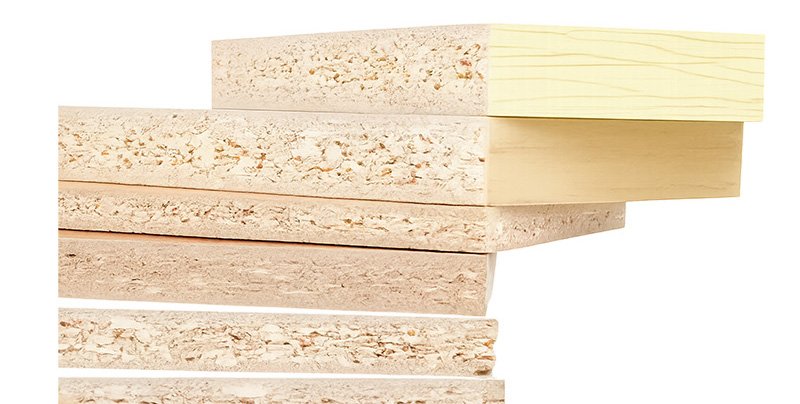
Particle board varies in density, materials, and overall board quality.
For custom-made furniture, which is typically disassembled furniture, the selection of board materials requires attention to several key factors. However, when it comes to finished solid wood furniture that cannot be disassembled, material selection becomes more difficult. In fact, it is not easy to distinguish the true material, because even high-end rosewood furniture can have surface treatments or “veneering.” Nevertheless, such furniture is still made of solid wood rather than particle-pressed boards.
For example, solid wood dining tables and chairs, solid wood wardrobes, rosewood benches, and solid wood beds fall into this category. For these finished products, it is often impossible to visually identify the internal material. However, one can estimate whether the material is genuine by comparing the density and weight differences of various types of wood.
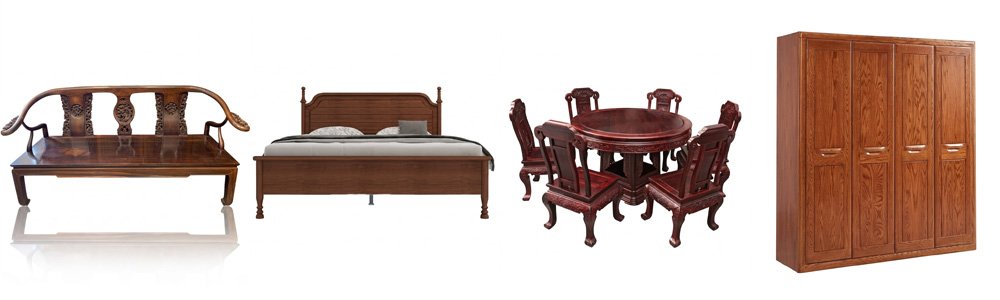
Most solid wood furniture that cannot be disassembled is produced as finished, non-knockdown products. In addition to material selection, there are also specific requirements for its packaging.
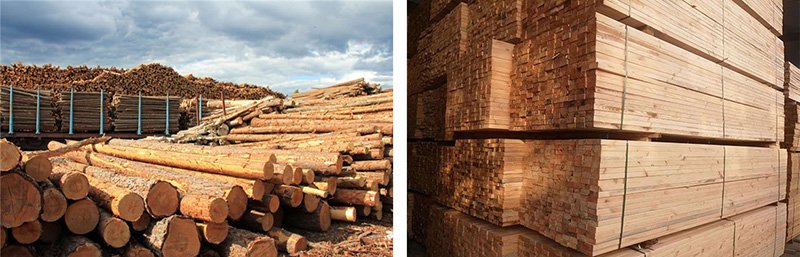
Most of the high quality furnitures are made by wood imported from oversea, and domestics lumbering processed into finished furniture products.
2. Furniture packaging requirement
Fragile heavy cargo must be packed in wooden crates or wooden frames, because in a shipping container, heavy goods are always placed at the bottom while lighter goods are stacked on top. Containers are fully packed and tightly loaded; they are not transported as if they were in spacious spaces, the wooden boxes, frames, cartons, or pallets are loaded in a congested environment<br>
If the furniture cargo is not made proper packaging, how can you trust that the goods will arrive at the destination intact and undamaged?
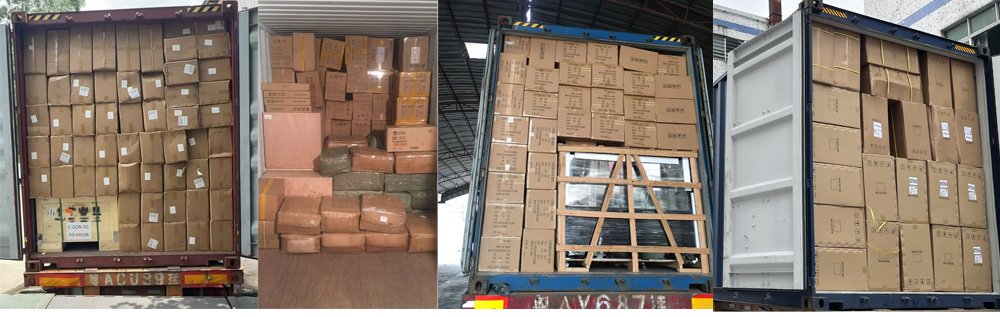
Export shipping containers are loaded as extreme full as every logistics company loads them. There is no unused space inside the container, and cargo will inevitably be stacked together and compressed during transportation.
Furniture varies in shape, size, and weight. Different types of furniture require different packaging methods to ensure they arrive at their destination safely, intact, and in perfect condition. The surface of each item—especially solid wood, painted finishes, leather, and upholstered fabric—should first be completely wrapped with EPE (expanded polyethylene) foam, bubble wrap, or high-density stretch film. This protective layer helps prevent scratches and abrasion caused by friction during transportation while also providing basic protection against dust and moisture.
All edges, corners, table legs, chair legs, and other protruding parts of the furniture must be securely protected with heavy-duty cardboard corner protectors, foam edge protectors, or double-wall corrugated cardboard. This helps prevent impact damage, chipping, or cracking during handling, loading, unloading, and when cargo is tightly stacked inside the shipping container.
The most critical step is to enclose the packaged furniture in a custom-built wooden crate or wooden frame. This provides the highest level of protection against impact, stacking pressure, and rough handling during international transportation, greatly reducing the risk of damage.
High-value, fragile, or custom-made furniture (such as marble tabletops, glass cabinet doors, rosewood furniture, and oversized sofas) requires the highest level of export packaging. After the furniture has been fully protected and packed in a heavy-duty carton, it must be enclosed in a fully enclosed wooden crate or a ISPM 15-compliant fumigation-free wooden frame (wooden crate/skid) for transportation.
The wooden packaging must be structurally strong and durable. The base should be designed with forklift entry openings, typically providing a clearance of 9–10 cm (3.5–4 inches), to facilitate safe mechanical loading and unloading. This helps eliminate unnecessary manual handling and significantly reduces the risk of secondary damage to large, heavy, or fragile items during transportation.
Whenever possible, disassemblable furniture—such as bed frames, modular cabinets, and other knock-down furniture—should be dismantled and packed as separate components. This helps reduce shipping volume (CBM), optimize freight costs, and minimize the risk of damage during transportation.

Disassemblable furniture, such as desks, built-in cabinets, wardrobes, beds, coffee tables, sideboards, and similar items, should be dismantled whenever possible and packed as individual components.
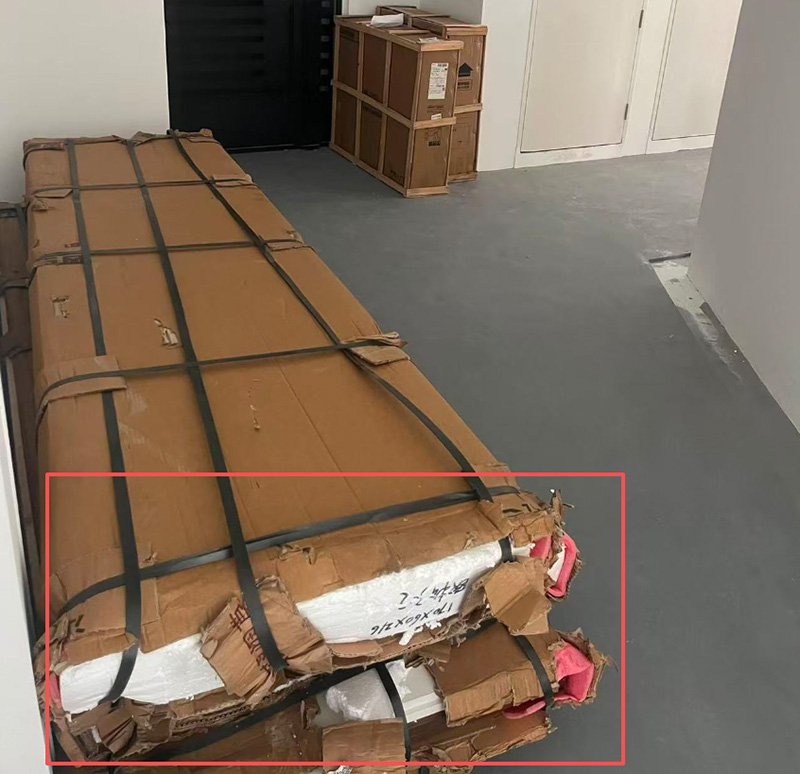
At the time of delivery to the consignee doorstep oversea, partial damage to the outer packaging is clearly visible. The thin cardboard used in this type of packaging lacks sufficient strength to withstand long-distance international transportation, stacking pressure, and multiple handling stages. As a result, even when internal cushioning materials such as foam are present, the weak outer carton is unable to provide adequate protection, leaving the internal packaging and furniture at risk of damage during transit
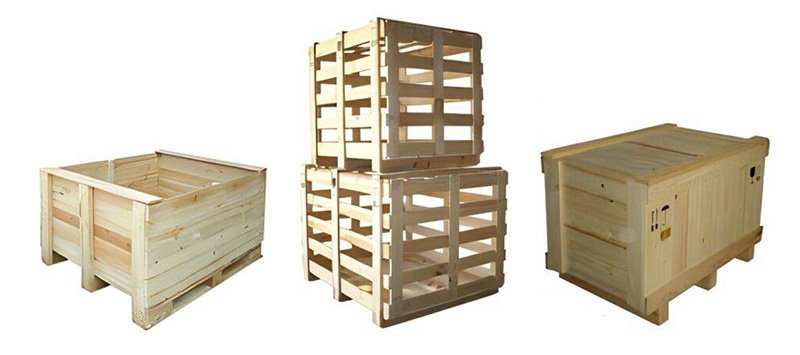
In some cases, the goods may be delivered with the outer packaging appearing intact, even though the cardboard used is relatively thin and of low strength. However, despite the absence of visible external damage, the furniture inside may still be found damaged upon inspection. This is often due to the use of low-quality materials or poor structural integrity in the furniture itself, which makes it unable to withstand vibration, pressure, and repeated handling during international transportation.
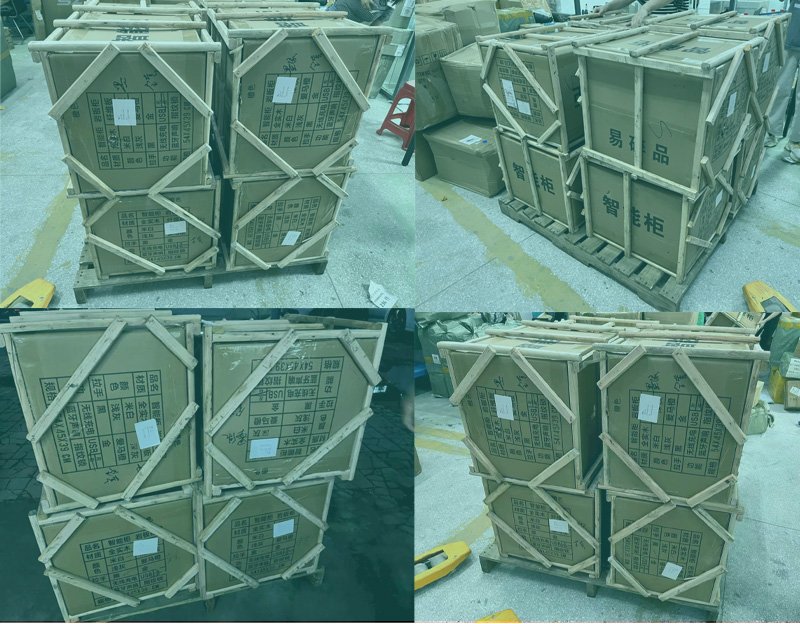
Using stronger packaging materials—such as wooden crates and wooden frames—for fragile and compression-sensitive goods can significantly enhance overall protection. When properly designed and securely reinforced, this type of packaging can provide over 90% protection against damage during transportation, effectively reducing the risks caused by impact, vibration, stacking pressure, and repeated handling throughout the international shipping process.
For non-disassemblable furniture, wooden crate packaging is strongly recommended for transportation. The structure of the crate must be designed as a load-bearing system rather than a simple sealed box. Fumigation-free plywood (ISPM 15-compliant engineered wood) should be used to construct the crate for export purposes.
Adequate cushioning space must be reserved inside the crate, following the “no movement principle,” meaning the contents must remain completely immobile during transit. Multi-point internal securing methods should be applied to fix the furniture in place, while cushioning materials should be used in layered configurations to absorb impact and vibration.
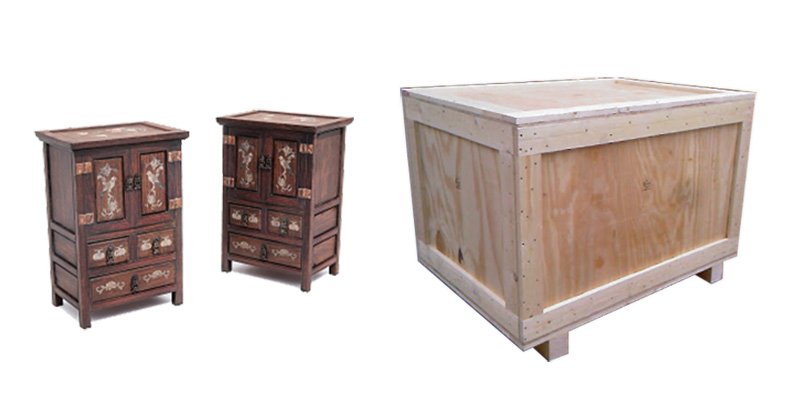
Wooden case Packaging for Non-Disassemblable Furniture
Before purchasing furniture, you should consider its overall dimensions, whether it can be loaded into a shipping container, whether it exceeds standard weight or size limits, and whether it is irregularly shaped, as these factors may affect shipping costs and transportation arrangement
1. Furniture shape & dimension
Measure the Length × Width × Height (cm).
Be sure to include all protruding parts, such as handles, legs, and decorative features.
Many shipping problems occur because furniture appears to fit inside the container, but exceeds the available space by just a few centimeters.
2. Is the Furniture Disassemblable?
There are three categories:
1. Fully Disassemblable (Best Option): Beds, bookcases, dining tables, and similar furniture.
2. Partially Disassemblable: Sofas with removable legs or backrests, while the main frame remains intact.
3. One-Piece / Non-Disassemblable: Marble dining tables, one-piece wardrobes, and other furniture that cannot be dismantled.
Furniture that can be fully disassembled can typically reduce shipping volume (CBM), resulting in freight cost savings of approximately 30%–60%.
3. Packed Dimensions (Extremely Important)
Packaging materials will increase the overall dimensions of the furniture. Typical additions include:
Wooden frame/crate: +5–10 cm
Foam cushioning: +2–5 cm
Outer carton: +3–8 cm
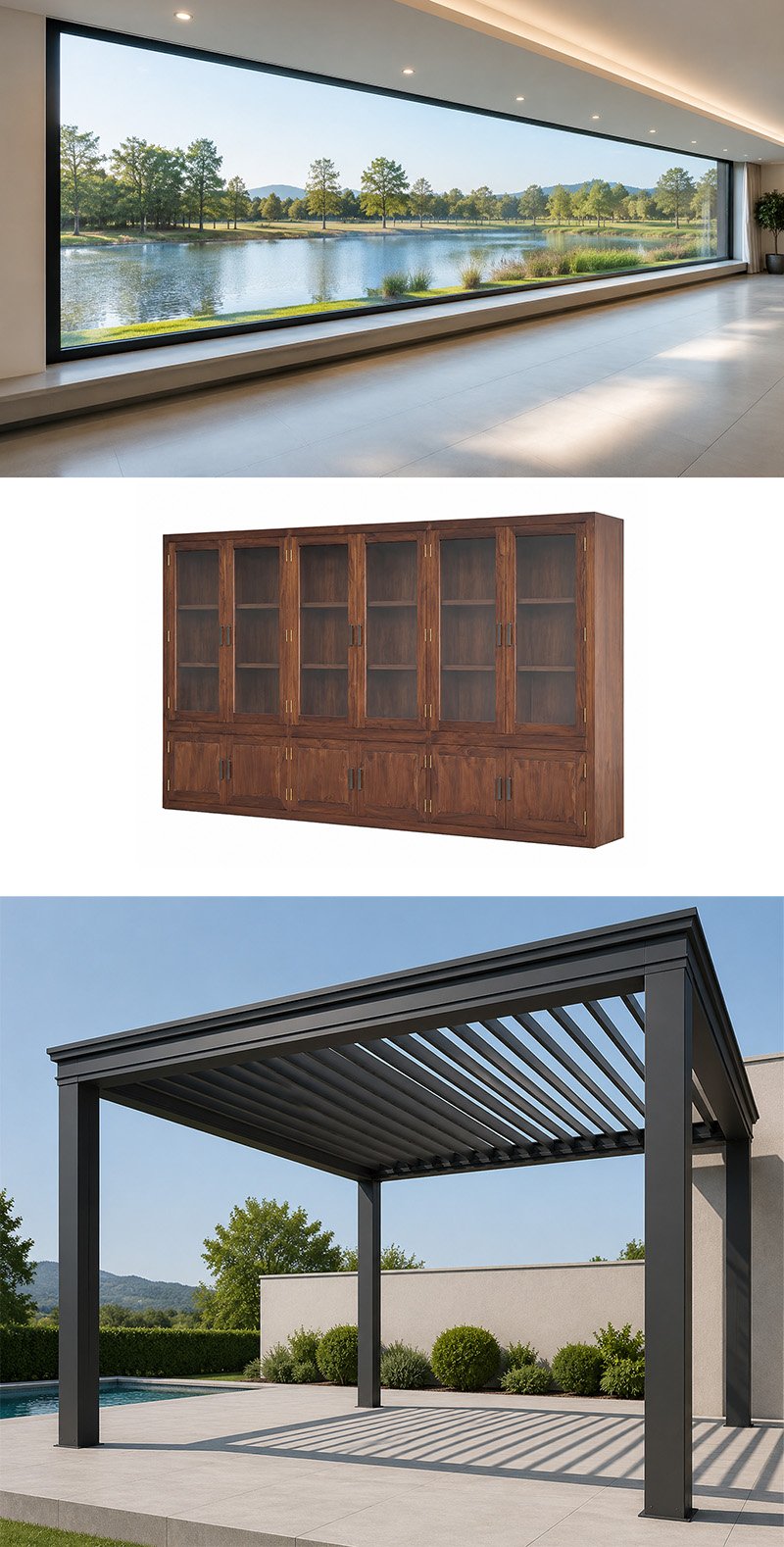
Extra-long, overwidth and oversized furniture may require special containers and specialized unloading equipment.
The internal dimensions of the shipping container must always be checked, the final packed dimensions of the furniture before conduct shipment.
Shipping Container Internal Dimensions (Must Be Verified)
Common Container Types
20ft Standard Container (20GP)
Internal Dimensions: Approx. 5.90 m × 2.35 m × 2.39 m
Cargo Capacity: Approx. 28 CBM
40ft Standard Container (40GP)
Internal Dimensions: Approx. 12.03 m × 2.35 m × 2.39 m
Cargo Capacity: Approx. 67 CBM
Overlength Cargo (Most Common)
Furniture longer than:
5.90 m (20ft container)
12.00 m (40ft container)
may not fit inside a standard container.
Solutions
Disassemble the furniture whenever possible.
Use an Open Top Container if loading from above is required.
Use a Flat Rack Container for exceptionally long cargo.
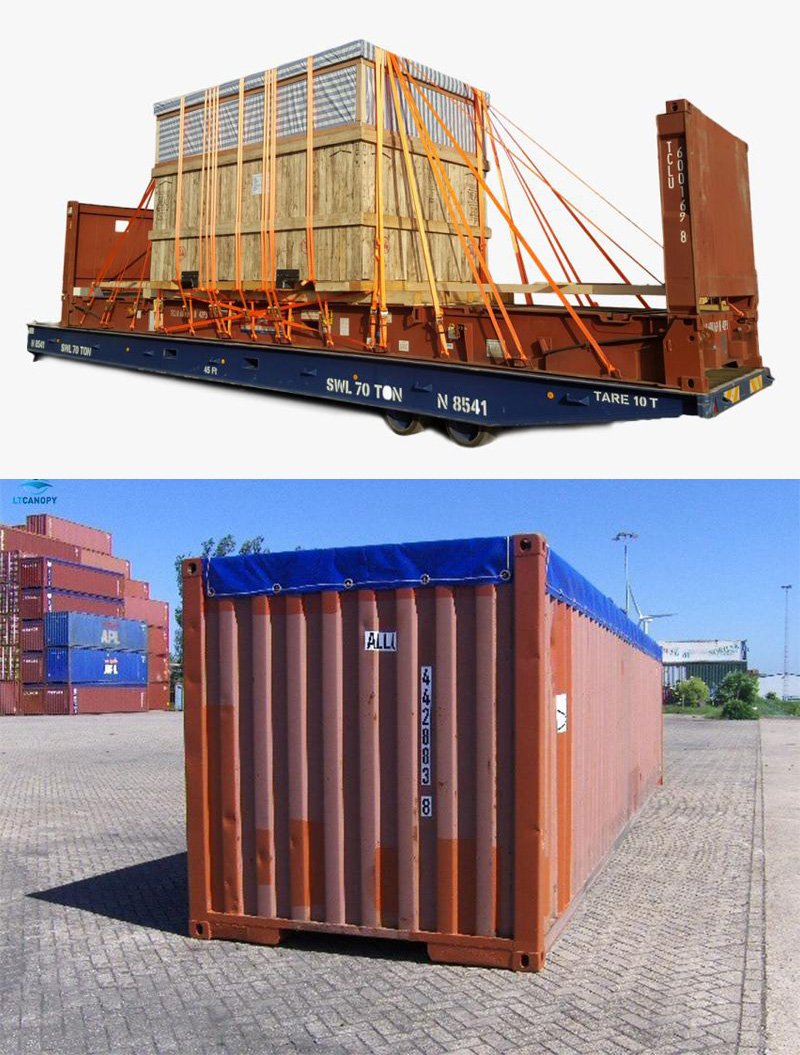
Designed for overwidth, overlength and irregularly shaped cargo that cannot be loaded into a standard shipping container.
When shipping oversized furniture and outdoor structures—including one-piece cabinets, large glass panels, outdoor shade structures, pergolas, custom-made furniture, and other oversized items—it is essential to evaluate more than just container loading requirements.
The unloading conditions, delivery access, and installation environment at the destination should also be assessed before shipment. Failure to do so may result in the cargo arriving safely at the destination port but being unable to be unloaded, transported, or delivered to the final address, leading to additional costs, delays, and operational difficulties.
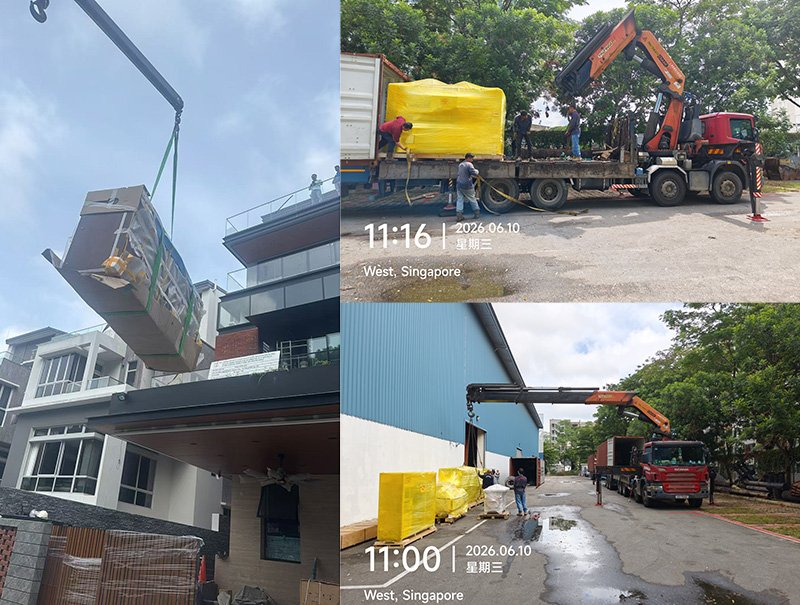
Long vehicle parking condition
1. Is there sufficient space for a 10–40 ft truck to access and park?
2. Is the delivery location within a gated community or on a narrow street with vehicle access restrictions?
3. Is temporary parking for unloading permitted?
4. Are there height restrictions for underground parking garages? (Common clearance: 2.1–2.3 m)
Additional arrangements may be required, including:
1. Applying for a temporary road closure permit.
2. Transferring the cargo to a smaller delivery vehicle for the final delivery.
3. Using cranes or other specialized lifting equipment to unload and place oversized or heavy items safely.
Forklift unload
Suitable for:
Standard palletized cargo
Cargo with evenly distributed weight and a forklift-accessible base
Requirements:
The unloading area must have a flat and stable surface.
The cargo must be properly palletized before shipment to allow safe forklift handling.
Limitations:
Not suitable for oversized, overwidth, or irregularly shaped furniture.
Forklift operations are generally not permitted or practical in residential communities due to limited access and space constraints.
Crane unload
Suitable for:
Oversized, overweight, or non-movable cargo
Outdoor structures such as pergolas, awnings, large glass panels, and one-piece architectural structures
Advantages:
Enables cargo to be lifted directly from the truck into a yard, driveway, balcony, rooftop, or other designated installation area.
Ideal for locations where manual handling or forklift access is not possible.
Limitations:
Requires sufficient overhead clearance and an unobstructed working area (e.g., no overhead power lines, trees, or other obstacles).
Higher operating costs compared with standard unloading methods.
Manpower convey
Suitable for:
Residential properties or indoor environments where forklifts, cranes, or other mechanical equipment cannot be used.
Small to medium-sized furniture that is heavy but can still be handled manually by a professional moving team.
Key Considerations:
Whether staircases provide sufficient clearance for moving large furniture.
Whether the elevator is available and suitable, considering both internal dimensions and weight capacity.
Whether the furniture needs to be partially disassembled before being moved indoors.
Common Challenges:
The furniture reaches the destination but cannot fit through the entrance or around stairway corners.
4. Insurance
To ensure the safety of your furniture and effectively manage transportation risks, all oversized furniture, custom-made furniture, and high-value cargo are strongly recommended to be covered by comprehensive cargo transportation insurance throughout the entire shipping process, whether by sea freight, air freight, or multimodal transport.
It is recommended to purchase All Risks Cargo Insurance, with coverage that should include
1. Loss of or physical damage to the cargo during sea freight, air freight, or multimodal transportation.
2. Damage caused during loading and unloading operations.
3. Damage resulting from cargo collapse, shifting, compression, or tipping inside the shipping container.
4. Loss or damage caused by natural disasters, including typhoons, heavy rain, rough seas, flooding, and other severe weather conditions.
5. Loss or damage resulting from fire, collision, vessel sinking, or other transportation accidents.
6. Secondary damage occurring during transshipment or cargo transfers between different modes of transport.
Purchasing cargo insurance does not eliminate the need for proper packaging. Appropriate packaging remains one of the most important factors in protecting your cargo during international transportation.
The primary goal is to ensure that your goods arrive safely and in good condition, rather than relying on insurance compensation after damage has occurred. Insurance is intended to reduce financial losses caused by unforeseen events—it is not a substitute for professional export packaging.
In the event of cargo damage, the consignee should retain all original packaging materials, take clear photographs of the damaged goods and packaging, and report the damage as soon as possible.
To facilitate the insurance claim process, it is generally recommended that all supporting evidence, including photographs, inspection reports (if required), and a description of the damage, be submitted within three (3) days of receiving the shipment. Prompt reporting helps ensure that the claim can be processed efficiently.